
Understanding Basal Metabolic Rate (BMR): What It Is and Why It Matters

Understanding Basal Metabolic (BMR): What It Is and Why It Matters 25 September 2023 Danny Purnell A health survey for England has found that 25.9% of adults in England are obese, with a further 37.9% overweight. These shocking statistics have prompted many to re-evaluate their lifestyles. For some, that means going to the gym, for others that means dieting (oh no!). And for an increasing number of people, that means hiring and working with a Nutrition Coach. In this blog, we discuss the benefits of hiring a Nutrition Coach and how working with one can help you achieve your health and fitness goals. So, if you’re on the fence about hiring a Nutrition Coach, make sure to continue reading… What Is a Nutrition Coach? A Nutrition Coach is a certified and trained professional who specialises in helping individuals make more informed and healthier choices about their diet and nutrition. Nutrition Coaches work closely with their clients to assess their dietary habits, health goals and lifestyle and then provide guidance, support and education to improve their nutritional choices. Related: What Does a Nutrition Coach Do? What Are The Benefits of Hiring a Nutrition Coach? Having your own Nutrition Coach is like having a PT, but for food. A Nutrition Coach is someone that you can turn to for advice, support and guidance when it comes to fuelling your body. Whether you’re looking to lose weight, build muscle or just improve your overall health and wellbeing, a Nutrition Coach can support you as you work towards your goals. Working with a Nutrition Coach brings a host of benefits, including: Accountability and Support Quicker Results Personalised Plan Progress Monitoring Expertise & Education During this blog, we explore these benefits in more detail. 1. Accountability & Support Working towards your health and fitness goals can be hard, especially when you’re doing it on your own. Following my own 100lbs weight loss journey, I know how difficult it becomes to stay motivated and sometimes stay on track. When you work with a Nutrition Coach, you have someone to support you and hold you accountable every day. The benefits of working with a Nutrition Coach shouldn’t be underestimated. The Miriam Hospital’s Weight Control and Diabetes Research Center conducted a study with obese patients who were enrolled on to a 24-week weight loss programme. Participants were split into three, randomised groups and were supported by either a: Nutrition Coach Peer Mentor The study found that those who worked with a Nutrition Coach lost more than 9% of their body weight over the course of the programme, compared to just 6% who worked with a mentor. 2. Personalised Plan One of the biggest benefits of working with a Nutrition Coach is having a personalised plan. When you first start working with a Nutrition Coach, they should spend time learning about you and your lifestyle. This includes food preferences, dislikes, occupation, hobbies, family life and previous dieting history. Using this information, your Nutrition Coach will be able to provide you with a completed tailored action plan, fine-tuned to your needs. This is the exact approach we take at Eatwell. We even perform deficiency and allergy tests to gain the deepest understanding of our clients’ bodies! 3. Progress Monitoring When you begin your health and fitness journey, tracking your progress is so important – and we’re not just talking scale weight. Related: Why Scale Weight Isn’t The Best Indicator of Health Without accurately measuring results, it can be so easy to become discouraged. Not long ago, Keiron (one of my 1-2-1 clients) plateaued for a week regarding his scale weight. As a historic chronic dieter, he was disappointed with this and felt discouraged. However, whilst his weight may have plateaued, his body fat percentage declined and he lost ½ inch from his chest and waist, respectively. Now, without tracking these metrics, Keiron’s motivation could have taken a real dip and left him in a tricky spot. At Eatwell, we track 9 different metrics through our accessible and easy-to-use app. These include: Weight Body Fat Percentage Measurements Progress Pictures Food Intake (diary) Sleep Quality Mood/Wellbeing Relationship With Food 4. Expertise & Knowledge A Certified Nutrition Coach will have bounds of experience and knowledge when it comes to nutrition and making healthy lifestyle changes. If you’re just starting on your journey, it can be beneficial to lean on the expertise of your Nutrition Coach so that you don’t fall into any bad habits. When I first decided to take control of my health, I fell into many ‘fitness traps’ of which cost me time and money. What I really needed was knowledge and education. In my opinion, the best Nutrition Coaches educate and empower their clients to make better choices. As opposed to simply telling them what they should eat or prescribing ‘meal plans’. From my own personal experience, I’ve found that many PTs/personal trainers lack knowledge when it comes to nutrition and are too quick to set a meal plan – typically chicken, rice and broccoli. Although having a set plan may be beneficial in the short run, it doesn’t prepare you to manage your nutrition after you stop working with a PT. 5. Quicker Results This is semi-related to my previous point, but also kind of different. When it comes to losing weight and improving their health, people are impatient. It’s no wonder ‘how to lose weight fast’ has an average of 5,400 searches per month on Google. Now whilst a Nutrition Coach can’t ‘magic fat away’ with a swish of their wand, they can help their clients reach their goals faster. With so much misinformation and poor advice shared online, a Nutrition Coach can help you cut through the noise and set you on the right path from the offset; avoiding mistakes and hitting the ground running. So, should you hire a Nutrition Coach? If you’ve tried dieting in the past with no success, you’re stuck in
Should I Hire a Nutrition Coach?
Should I Hire a Nutrition Coach in 2023? 15 September 2023 Danny Purnell In this blog, we discuss the benefits of hiring a Nutrition Coach and how working with one can help you achieve your health and fitness goals. So, if you’re on the fence about hiring a Nutrition Coach, make sure to continue reading… What Is a Nutrition Coach? A Nutrition Coach is a certified and trained professional who specialises in helping individuals make more informed and healthier choices about their diet and nutrition. Nutrition Coaches work closely with their clients to access their dietary habits, health goals and lifestyle and then provide guidance, support and education to improve their nutritional choices. Related: What Does a Nutrition Coach Do? What Are The Benefits of Hiring a Nutrition Coach? Having your own Nutrition Coach is like having a PT, but for food. A Nutrition Coach is someone that you can turn to for advice, support and guidance when it comes to fuelling your body. Whether you’re looking to lose weight, build muscle or just improve your overall health and wellbeing, a Nutrition Coach can support you as your work towards your goals. Working with a Nutrition Coach brings a host of benefits, including: Accountability and support Quicker results Personalised plan Progress monitoring Expertise Education During this blog, we explore these benefits in more detail. 1. Accountability & Support Working towards your health and fitness goals can be hard, especially when you’re doing it on your own. Following my own 100lbs weight loss journey, I know how difficult it becomes to stay motivated and sometimes stay on track. When you work with a Nutrition Coach, you have someone to support you and hold you accountable every day. The benefits of working with a Nutrition Coach shouldn’t be underestimated. The Miriam Hospital’s Weight Control and Diabetes Research Center conducted a study with obese patients who were enrolled on to a 24-week weight loss programme. Participants were split into three, randomised groups and were supported by either a: Nutrition Coach Peer Mentor The study found that those who worked with a Nutrition Coach lost more than 9% of their body weight over the course of the programme, compared to just 6% who worked with a mentor. 2. Personalised Plan One of the biggest benefits of working with a Nutrition Coach is having a personalised plan. When you first start working with a Nutrition Coach, they should spend time learning about you and your lifestyle. This includes food preferences, dislikes, occupation, hobbies, family life and previous dieting history. Using this information, your Nutrition Coach will be able to provide you with a completed tailored action plan, fine-tuned to your needs. This is the exact approach we take at Eatwell. We even perform deficiency and allergy tests to gain the deepest understanding of our clients’ bodies! So, should you hire a Nutrition Coach? If you’ve tried dieting in the past with no success, you’re stuck in a rut and you’re serious about wanting to lose weight, work on your health and improve your dietary habits, hiring a Nutrition Coach will be invaluable to your progress. Not only will you receive expert knowledge and support, but also personalised guidance tailored to your lifestyle, helping you to get there faster and most importantly, sustain your new lifestyle. Although a Nutrition Coach can help you work towards your goals, it’s important that you find the right Nutrition Coach for you. Related: How to Choose a Nutrition Coach If you want to learn more about 1-2-1 Nutrition Coaching with Eatwell, why not book a free 30-minute initial consultation with one of our friendly Nutrition Coaches who will explain more about our programme and how it can help you.
When and How Often Should I Eat for Weight Loss

When and How Often Should I Eat for Weight Loss? 22 August 2023 Danny Purnell When it comes to achieving weight loss goals, we often focus on what we eat and how much we eat. However, an equally important factor that deserves our attention is when and how frequently we eat. Meal timing and frequency can play a significant role in weight loss, impacting metabolism, hunger levels, and overall success. In this blog, we’ll delve into different meal timing approaches, discussing their pros and cons, and how they may influence your weight loss journey. The Traditional Three Meals a Day Approach It’s likely that you already follow this (or a very similar) eating pattern which involves eating three big meals per day. These are breakfast, lunch and dinner and they are eaten in the morning, afternoon and evening. Modern life has geared us up to eat this way. We’re told that breakfast is the most important meal of the day, we’re given lunch breaks at work and dinner time is spent socialising with family and/or friends. Despite this being the ‘norm’, is it the most optimal eating pattern for fat loss? Pros of Eating Three Meals a Day Provides structure: Eating three balanced meals a day can help establish a routine and create a sense of consistency in your eating habits. Portion control: With three main meals, it’s easier to control portion sizes and manage calorie intake. Stabilises blood sugar: Spacing meals evenly throughout the day can help maintain stable blood sugar levels, reducing the likelihood of energy crashes and overeating. Cons of Three Meals a Day Prolonged hunger periods: Longer gaps between meals can lead to increased hunger and potential overeating when meals are finally consumed. Limited snacking: This approach may discourage or limit snacking, which could be detrimental for those who prefer smaller, more frequent meals. Intermittent Fasting Intermittent fasting (IF) is an eating pattern that alternates between periods of fasting and eating. It doesn’t prescribe specific foods to eat or avoid but rather focuses on when you should eat. During the fasting periods, you either abstain from consuming calories entirely or significantly reduce your calorie intake. The eating periods are when you consume your meals and calories for the day. The most common schedule for intermittent fasting is 16:8. This means you fast for 16 hours per day and eat during the remaining 8 hour window. Many people who follow IF eat between 10:00 – 18:00 or 12:00 – 20:00. Pros of Intermittent Fasting Potential calorie reduction: Intermittent fasting (IF) involves periods of fasting followed by eating windows, which can naturally lead to a reduction in overall calorie intake. Improved insulin sensitivity: IF may improve insulin sensitivity, potentially aiding in weight loss and reducing the risk of type 2 diabetes. Simplicity: IF can simplify meal planning and reduce the focus on constant food consumption. Cons of Intermittent Fasting Adherence challenges: Some people may find it difficult to adhere to strict fasting schedules, leading to potential binge eating during eating windows. Individual variability: Not everyone responds the same way to fasting, and some individuals may experience negative effects on energy levels and mood. Mindful Eating Mindful eating is an approach to eating that involves paying full attention to the experience of eating, both in terms of the food itself and the process of eating. It’s a practice derived from mindfulness, which is a form of meditation and self-awareness that emphasises being fully present in the moment without judgment. When practising mindful eating, individuals focus on their thoughts, feelings, and sensations related to eating, without distraction. This approach encourages a deeper awareness of the sensory aspects of eating, including the taste, texture, and smell of the food. It also involves being attuned to hunger and fullness cues and being mindful of one’s body’s signals. Pros of Mindful Eating Natural approach: Eating in response to genuine hunger and stopping when satisfied is a mindful and intuitive way of eating. Reduced risk of overeating: By tuning into your body’s cues, you’re less likely to consume excess calories. Flexible: This approach allows for variability in meal timing and frequency based on daily needs. Cons of Mindful Eating Learning curve: It takes time to develop the ability to accurately gauge hunger and fullness cues. External influences: Social events, emotions, and other external factors can sometimes override natural hunger and fullness signals. Final Thoughts The optimal meal timing and frequency for weight loss ultimately depend on your individual preferences, lifestyle, and goals. As I tell my clients, there is no one-size-fits-all approach, and it’s important to choose a strategy that aligns with your needs and helps you create a sustainable calorie deficit – after all, this is how fat loss happens. Whether you prefer three square meals, intermittent fasting, small frequent meals, or intuitive eating, the key is to prioritise balanced nutrition, mindful eating, and consistency to achieve successful and lasting weight loss results. Remember, it’s not just about when you eat, but also about how you nourish your body throughout your weight loss journey. Book a Free 30-Minute Consultation Stuck in a rut with your weight loss and nutrition? Why not book a free, 30-minute complimentary session with me? As a formerly obese man (turned Qualified Nutrition Coach), I can help you find some simple strategies to kickstart your weight loss journey. Your name Your email Telephone number How can I help?
How to Stay Fuller for Longer

How to Stay Fuller for Longer We all know the feeling of being hungry shortly after a meal or constantly reaching for snacks throughout the day. It can hinder our weight loss efforts and leave us feeling frustrated. I know this was certainly the case for me. The good news is that there are strategies you can employ to stay fuller for longer, which can help you avoid unnecessary snacking and overeating. In this blog post, we’ll explore effective tips to support satiety and promote better weight management. 1) Choose Fibre-Rich Meals Fibre is your best friend when it comes to feeling satisfied and staying fuller for longer. Compared to other nutrients, it takes our bodies much longer to break down and digest. As a result of this, it helps slow down the release of sugars into our bloodstream and prevents rapid spikes in blood sugar levels. In addition, high-fibre foods are often less energy-dense compared to process and low-fibre foods. This means that they have fewer calories per gram of food, but take up a similar amount of space within our bodies as their processed counterparts. Some great sources of fibre include whole grains, such as wholegrain bread, brown rice, quinoa and oats as well as fruits, vegetables, legumes and nuts. 2) Fill Up on Protein Protein is a powerful macronutrient that not only supports muscle growth but also enhances feelings of fullness. Including protein-rich foods in your meals and snacks can help curb cravings and keeps you satisfied for longer periods. Choose lean sources of protein such as chicken, fish, tofu, Greek yoghurt, and beans. Try to incorporate protein into each meal to maximise its satiating effects. 3) Include Healthy Fats It seems natural that when you want to lose fat, you should reduce the amount of fat you eat. However, this isn’t entirely accurate. You see, healthy fats play a very important role in our bodies Don’t shy away from healthy fats! They contribute to feelings of fullness and aid in nutrient absorption. Opt for sources such as avocados, nuts, seeds, olive oil, and fatty fish like salmon. While fats are important, it’s crucial to consume them in moderation due to their higher calorie content. 4) Hydrate Properly Dehydration can sometimes be mistaken for hunger, leading to unnecessary snacking. Stay adequately hydrated by drinking enough water throughout the day. Related: How Much Water Should I Drink? Additionally, incorporate hydrating foods like watermelon, cucumbers, and oranges into your diet. Not only will this help keep you hydrated, but these foods also provide valuable nutrients. 5) Practice Mindful Eating Most of us are mindless eaters and I’ll be the first to admit it and it’s something a lot of my clients struggle with. Before becoming more mindful, I used to shovel food down my gob, just because it was there. I’d have a snack straight after lunch and dessert immediately after dinner. I wasn’t listening to my body’s hunger cues. Eating mindfully can significantly impact feelings of satisfaction and prevent overeating. Slow down, savour the flavours, and be present during meals. Chew your food thoroughly and pay attention to your hunger and fullness cues. By eating slowly and mindfully, you’ll not only enjoy your meals more but also give your body the opportunity to recognise when it’s satisfied. 6) Get Enough Sleep Believe it or not, sleep plays a significant role in appetite regulation. Inadequate sleep can disrupt the hormones that control hunger and fullness, leading to increased cravings and a greater likelihood of overeating. Prioritise quality sleep by establishing a consistent bedtime routine, creating a comfortable sleep environment, and practising relaxation techniques. Final Thoughts Achieving and maintaining a feeling of fullness is an essential component of successful weight management. By incorporating these tips into your daily routine, you can support satiety, avoid unnecessary snacking, and promote better overall health. Remember to focus on fibre-rich foods, prioritise protein, include healthy fats in moderation, hydrate properly, practice mindful eating, opt for whole foods, and get enough quality sleep. Finding the right balance of nutrients and listening to your body’s hunger and fullness cues are key to long-term success on your weight loss journey. Start implementing these strategies today and notice the difference they can make in your overall satisfaction and weight management goals. Stay fuller for longer and achieve a healthier, happier you! Free 30 Minute Nutrition Consultation Stuck in a rut with your weight loss and nutrition? Why not book a free, 30-minute nutrition consultation with me? During the call, we’ll discuss your progress so far, the things you’re struggling with and develop some simple strategies to help you kickstart your journey again. Your name Your email Telephone number How can I help?
10 Simple Ways to Get More Steps In Per Day

10 Simple Tips to Get More Steps In Each Day In today’s sedentary lifestyle, finding ways to incorporate more physical activity into our daily routine is crucial for maintaining good health. Walking is one of the simplest and most accessible forms of exercise, and increasing your daily step count can have numerous benefits for both your physical and mental well-being. I used to hate walking, to the point that I would drive 30 seconds to work to avoid walking up a hill. However, after going on a hike and feeling both the physical and mental benefits of moving my legs, I fell in love with it and practically walk everywhere now. So, if you’re looking to get more steps in per day, here are ten simple and practical tips to help you achieve that goal. Set a Daily Step Goal Start by setting a daily step goal that is realistic and achievable for you. It could be an incremental increase from your current step count or a specific number of steps you aim to accomplish each day. Having a target will motivate you and give you a clear benchmark to work towards. When I was at my heaviest, I used to work in a bar, so I would usually hit around 10,000-12,000 steps per day. Since then, I’ve transitioned into office jobs, where I am sat most of the day and I’d be lucky to hit 2,000. Take Walking Breaks Take short walking breaks throughout the day, especially if you have a sedentary job. Set a reminder every hour to get up and take a quick stroll around your office or home. These mini-breaks not only increase your step count but also help prevent the negative effects of prolonged sitting. Opt for Active Commuting Whenever possible, choose active modes of transportation such as walking or cycling instead of driving or taking public transport. If the distance is too far, consider getting off a few stops early and walking the remaining distance. This way, you’ll incorporate more steps into your daily routine without any extra effort. Take the Stairs Instead of using elevators or escalators, opt for the stairs whenever you can. Climbing stairs is an excellent way to engage your leg muscles and boost your step count. Challenge yourself to take the stairs consistently, and you’ll be surprised at how quickly your daily steps increase. Walk During Phone Calls Many of us spend a considerable amount of time on phone calls, whether it’s for work or personal conversations. Use this time to your advantage by pacing around while you talk. It’s a simple yet effective way to add more steps to your day without interrupting your routine. Make Walking Social Turn walking into a social activity by inviting friends, family, or colleagues to join you for a walk. Plan walking meetings, catch up with friends during a leisurely stroll, or participate in group walking events. Having company not only makes the activity more enjoyable but also encourages accountability. Explore the Outdoors Take advantage of your local parks, trails, or nature reserves. Exploring the outdoors not only allows you to enjoy the fresh air and beautiful scenery but also motivates you to walk more. Consider scheduling regular hikes or nature walks to increase your steps and connect with nature simultaneously. Track Your Steps Invest in a pedometer, or fitness tracker, or use a step-counting app on your smartphone to monitor your daily steps. Tracking your progress not only helps you stay accountable but also provides a sense of achievement as you see your step count increase over time. Walk Instead of Snack When you find yourself reaching for a snack out of boredom or habit, try replacing it with a short walk. Not only will you burn calories instead of consuming them, but walking can also help curb your cravings and provide a refreshing break. Break Up Sedentary Time Incorporate movement into your sedentary activities. During TV commercials or while waiting for a download, use that time to walk around your living space. Every little bit of activity adds up, so find opportunities to get up and move whenever you can. Conclusion Increasing your daily step count is an achievable goal that can have a significant impact on your overall health and well-being. By implementing these ten simple strategies into your daily routine, you’ll find it easier than ever to get more steps in per day. Remember, small changes can make a big difference, and with consistency, you’ll be well on your way to a more active and healthier lifestyle. So, lace up your shoes, step outside, and start walking towards a better you!
How Much Should You Drink Daily?

The Importance of Water: How Much Should You Drink? Water is an essential element for our overall health and well-being. It plays a vital role in various bodily functions, from regulating body temperature to aiding in digestion and nutrient absorption. As a nutrition advisor, one of the most frequently asked questions I receive is, “How much water should I drink per day?” In this blog, we’ll explore the factors that influence your water needs and provide practical guidance to help you stay properly hydrated. Understanding Individual Water Needs The amount of water each person needs can vary depending on several factors, including: age sex physical activity level climate and overall health. However, a general guideline recommended by the NHS is to aim for an average daily intake of about 8 cups (approximately 2 litres) of water for adults. This serves as a good starting point but may require adjustment based on individual circumstances. Factors Influencing Water Requirements Physical Activity: Engaging in physical activity, especially intense workouts or prolonged exercise, increases your fluid needs. It’s essential to drink additional water to compensate for the fluids lost through sweat and prevent dehydration. Climate: Hot and humid weather promotes increased perspiration, leading to higher water loss. If you live in a warm climate or during the summer months, you’ll need to up your water intake to stay hydrated. Body Weight: Generally, individuals with a larger body weight or higher body fat percentage may require more water to support their metabolic processes. However, it’s important to note that individual variation exists, so it’s best to consult a healthcare professional for personalised recommendations. Health Conditions: Certain health conditions, such as kidney stones or urinary tract infections, may necessitate higher fluid intake. Additionally, if you’re experiencing vomiting, diarrhoea, or fever, it’s crucial to replenish lost fluids promptly. Tips for Staying Hydrated Carry a Water Bottle: Keep a reusable water bottle with you throughout the day as a visual reminder to drink water regularly. It’s easier to stay hydrated when water is easily accessible. Set Reminders: If you often forget to drink water, consider setting reminders on your phone or using apps specifically designed to track hydration. Spice it Up: If plain water seems boring, add slices of lemon, cucumber, or a sprig of mint to enhance the flavor. Herbal teas and infused water can also be refreshing alternatives. Or alternatively, add some sugar-free squash! Monitor Urine Color: Pay attention to the colour of your urine. Pale yellow or straw-coloured urine generally indicates proper hydration, while darker urine may be a sign of inadequate fluid intake. Eat Hydrating Foods: Many fruits and vegetables have high water content and can contribute to your overall hydration. Include foods like watermelon, cucumbers, oranges, and strawberries in your diet. A Guide to Urine Colours Conclusion Water is essential for maintaining optimal health, and staying properly hydrated is crucial for our well-being. While the average recommendation is around 8 cups of water per day, remember that individual needs may vary. Be mindful of the factors influencing your water requirements and adjust your intake accordingly. By prioritising hydration and adopting healthy habits, you can ensure your body receives the water it needs to function optimally and support your overall wellness. Stay hydrated and take care of yourself! Disclaimer: Please note that the information provided in this blog is for general guidance only and should not replace personalised advice from a healthcare professional.
How Does Weight Loss Happen?
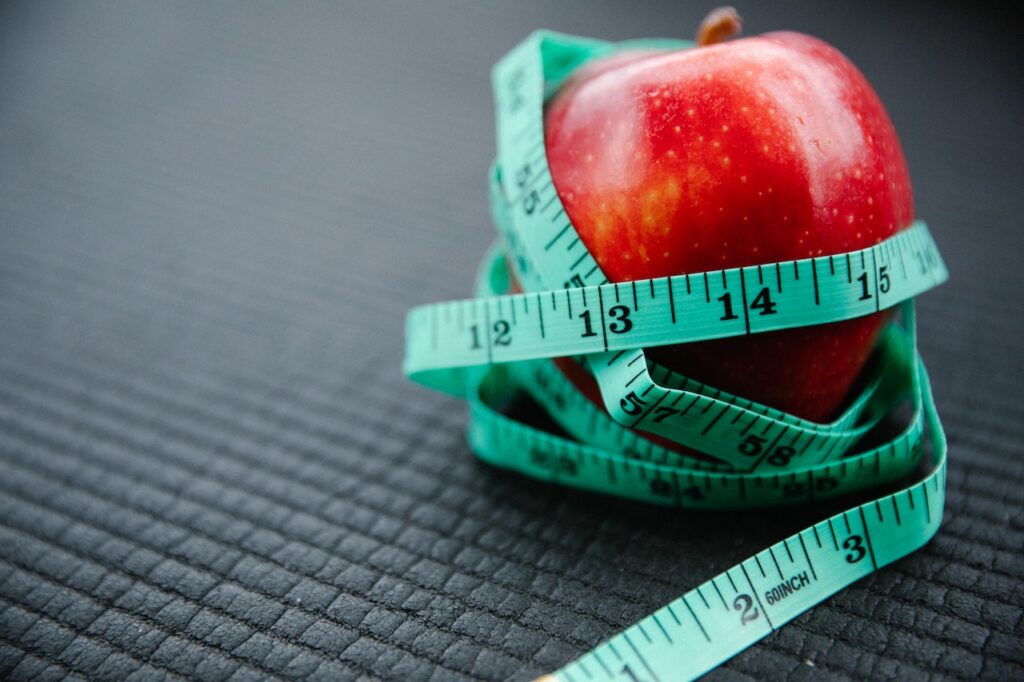
How Does Weight Loss Happen? Losing weight and reducing body fat is a common goal for many people looking to improve their health and well-being. However, it’s key to understand some of the science behind weight loss to achieve long-term success. In this blog post, I take a closer look at the fundamental processes and concepts behind fat loss, in particular energy balance and a calorie deficit. What Is Energy Balance? In simple terms, energy balance is when we consume the same number of calories we expend (or burn) through metabolic processes and physical activity. When we achieve energy balance, our weight tends to remain stable with very little fluctuation. What Happens If Energy Isn’t Balanced? If energy intake exceeds energy expenditure, a positive energy balance occurs. This is known as a calorie surplus, and it leads to weight gain over time. As our bodies don’t have any use for the excess energy, it gets stored – primarily as body fat. On the other hand, when energy expenditure exceeds energy intake, a negative energy balance occurs. This state is known as a calorie deficit and prompts the body to use stored energy (fat) to make up for the shortfall. What Happens During a Calorie Deficit? When your body experiences a calorie deficit, it taps into its energy reserves to bridge the gap. Initially, your body may use stored glycogen, a form of glucose stored in the liver and muscles. However, once glycogen stores are depleted, the body turns to fat as its primary fuel source. My apologies as this bit gets a little bit ‘sciencey’. During this process, fat cells release fatty acids into the bloodstream, where they are transported to the liver to be broken down further. These fatty acids are then converted into usable energy through a series of biochemical reactions, ultimately resulting in weight loss. Although a calorie deficit is key to fat loss, eating too far into a deficit without a well-balanced diet and regular exercise could potentially cause your body to breakdown muscle for energy. Conclusion It’s important to remember that weight loss can only occur when there’s a calorie deficit. How you achieve a calorie deficit is your decision, but for long-term results, it needs to be sustainable for your lifestyle as well as balanced.